

The definition of pro-life has changed dramatically since its inception. The pro-abortion side chose the term "pro-choice" because it seems more sympathetic than "pro-abortion."
The opposition chose the term "for life". It's easier to get support for a cause you're for rather than against. So they rejected the "anti-abortion" title.
Although "anti-abortion" is an accurate description for a group centered on the belief that all abortions are wrong in all cases, the modern anti-abortion movement has also adopted the term "abolitionist". This reflects the broad nature of his advocacy goals and his ties to the nineteenth-century movement to abolish and prohibit slavery in the United States—which, like abortion, was a widespread cultural evil.
Definition of choice
At this point in history, a typical pro-choice organization supports unrestricted access to legalized "abortion care." The most widely recognized pro-choice group is Planned Parenthood, which has existed since the Progressive Era in the United States and has consistently advocated birth control, abortion, and eugenics. Planned Parenthood has recently denounced its support for eugenics, even though their services across the nation kill black children at far higher rates than any other ethnic group.
In general, pro-choice people believe that human life begins at birth. They support a supposed "basic human right" to terminate a pregnancy without input from another source, including fathers and other family members. They argue that mothers cannot live autonomous lives without access to abortion, or "reproductive health care," as they call it. Most people in this country argue that abortion should be funded by taxpayers.
Definition of Pro-Life
The definition of pro-life has evolved over the past few decades. In the 1960s and 1970s, the pro-life movement was made up of those who tried to advocate against abortion. In fact, Webster's Dictionary defines "pro-life" simply as "the opposite of abortion."
Planned Parenthood and other pro-choice activist groups often accuse the pro-life crowd of hypocrisy for allegedly not caring about unwanted children or the health of women who experience unplanned pregnancies.
The concept of "pro-life" is closely associated with the Republican Party. In contrast, Democratic politicians typically identify as pro-choice; in a previous era, many tried to avoid answering the question directly by stating that they personally condemned abortion while supporting a woman's bodily autonomy.
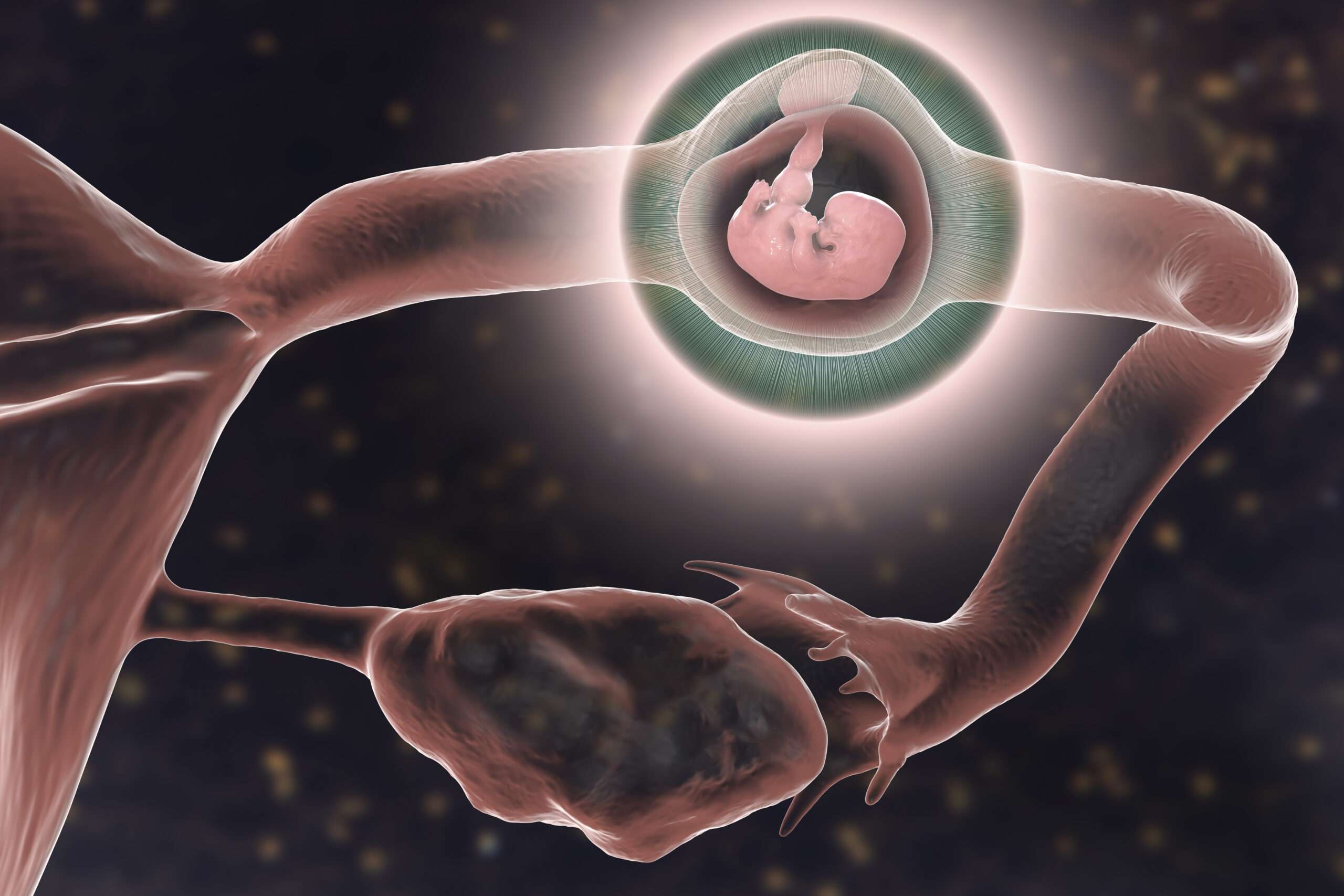
Pro-life advocates recognize that before birth, a child is a person with a basic human right to life. Many do not universally condemn birth control, as they generally recognize that a baby's life begins at fertilization.
From the moment of conception, the baby - in the form of a fertilized egg or embryo - is human and therefore bears the image of the living God.
The failure of the Pro-Life movement
Nearly fifty years ago, America's Supreme Court coined a "fundamental human right" to seek abortion services with its Roe v. Wade opinion. Since then, pro-lifers in America have sought a political solution to abortion. Recent history seems to reveal some indications of change as states rebel against the federal government and continue to pass abortion restrictions. As of this writing, the Supreme Court has already overturned Roe v. Wade.
What do pro-life groups do?
The typical strategy of a pro-life advocacy group is two-pronged. First, they pour money into lobbying politicians. Second, they target a particular stage of pregnancy and advocate legislation to ban or restrict abortion at that point.
One example of this strategy is the emphasis of the national right to life on the Protection of the Unborn Child Capable of Pain Act. This action would make it illegal to abort a fetus once it can feel pain, which occurs approximately eight weeks after conception.
What about babies who are less than eight weeks old? For now, it is still legal to kill them in the womb.
National Right to Life fails to understand this argument. To be truly and consistently anti-abortion, one must not simply wait around in the hope that Roe v. Wade will someday be overturned.
Abolitionists
Abolitionist groups strongly believe that the government should be concerned with protecting the lives of children during pregnancy. The complete and total abolition of access to abortion is the necessary position to be taken by a civil magistrate charged with preserving the rights of the population.
The differences between Pro-Life and Abolitionist
Worldview
Pro-life and pro-choice advocates do not have the same worldview. Pro-life groups wish to protect human life, but those who identify as pro-choice are essentially pushing for the possibility of sex without pregnancy. Pro-lifers hesitate to call attention to the sinfulness of this mentality.
Abolitionists recognize that sin is the root cause of abortion and realize that the answer is the gospel of Jesus Christ. The anti-abortion movement is equipped with God's Word, which addresses sin in a way that human laws do not.
Apologetics
Pro-lifers rely on arguments from medical science to convince Americans that abortion is wrong. As embryology advances, pro-life groups bring new insights to the world. They are constantly frustrated that they have the scientific high ground but fail to get more support to their side.
Pro-choice groups are unable to overcome these scientific facts. However, those who support access to abortion are not concerned with the reality of the abortion procedure or the apparent humanity of the murdered children.
Abolitionists recognize that science supports the anti-abortion position, but only as a secondary tool. The main tool is apologetics, which presupposes the existence of a God to whom people are morally accountable. Abortion is primarily a spiritual issue.
Strategy
Pro-life advocates depend on political or legal solutions to abortion. Outsmarting the pro-choice community in court was unsuccessful. Campaigning on the issue of human life and dependence on the American electorate to stop abortion is also a failed strategy.
The anti-abortion movement stands on the solid rock of God's Word. Abolitionists are not opposed to lobbying for the cause of life. God's word does not cajole, campaign or compromise; after all, abortion is murder. To be truly anti-abortion, the only possible and coherent solution is to ban all abortions.
Legality
Pro-lifers are not concerned with the mental state of abortion providers and seekers. Typically, pro-life groups view women as desperate, fearful, and victims of the innocent.
In contrast, abolitionists recognized that women, like men, had fallen into sin. The majority of abortions are performed because the birth of a baby interferes with the mother's lifestyle.
In other words, most pregnant women seek abortions for reasons of convenience. Yet pro-life conservatives have repeatedly reiterated their reluctance to punish mothers who choose abortion.
Addiction
The pro-life industry depends on the existence of abortion to sustain itself. If abortion is outlawed tomorrow, these groups will lose money and many will be out of a job. Lobbying can be a lucrative and stylish profession.
Abolitionists recognize that women and their families will always need provision and access, even after abortion is outlawed. Pregnant women will need medical care and insurance. In some cases, children will be unwanted by their families, creating a need for adoption services. There is always a need for the church to serve the hurting.
Save Life is not a group of professional abortion lobbyists; they are Christians who believe in the authority and sufficiency of God's Word.
End abortion now
If you are researching or considering an abortion, please contact Save Life for help. In the name of Jesus we are here to serve you and help you with your spiritual and physical needs.

 English
 Bulgarian